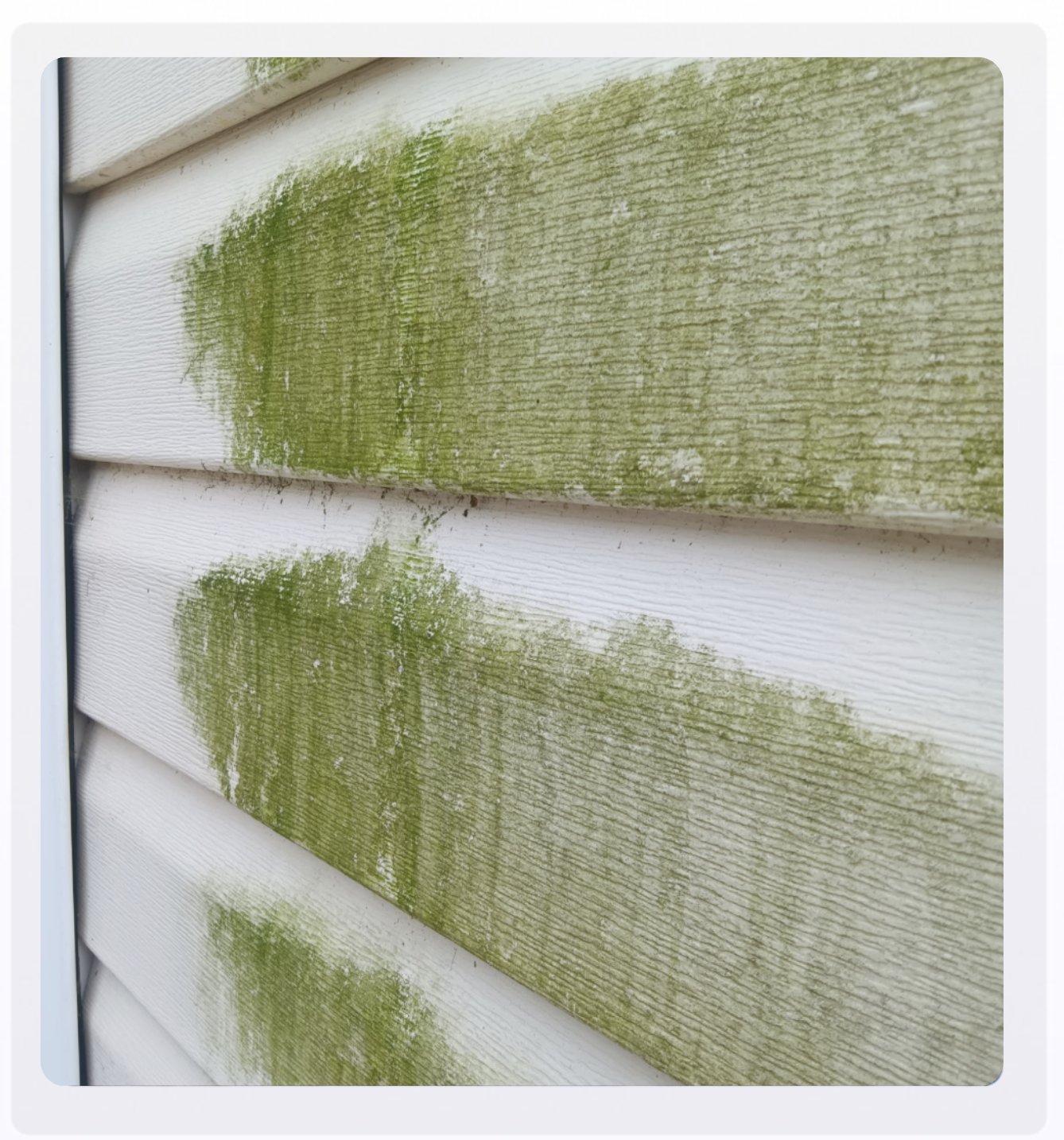
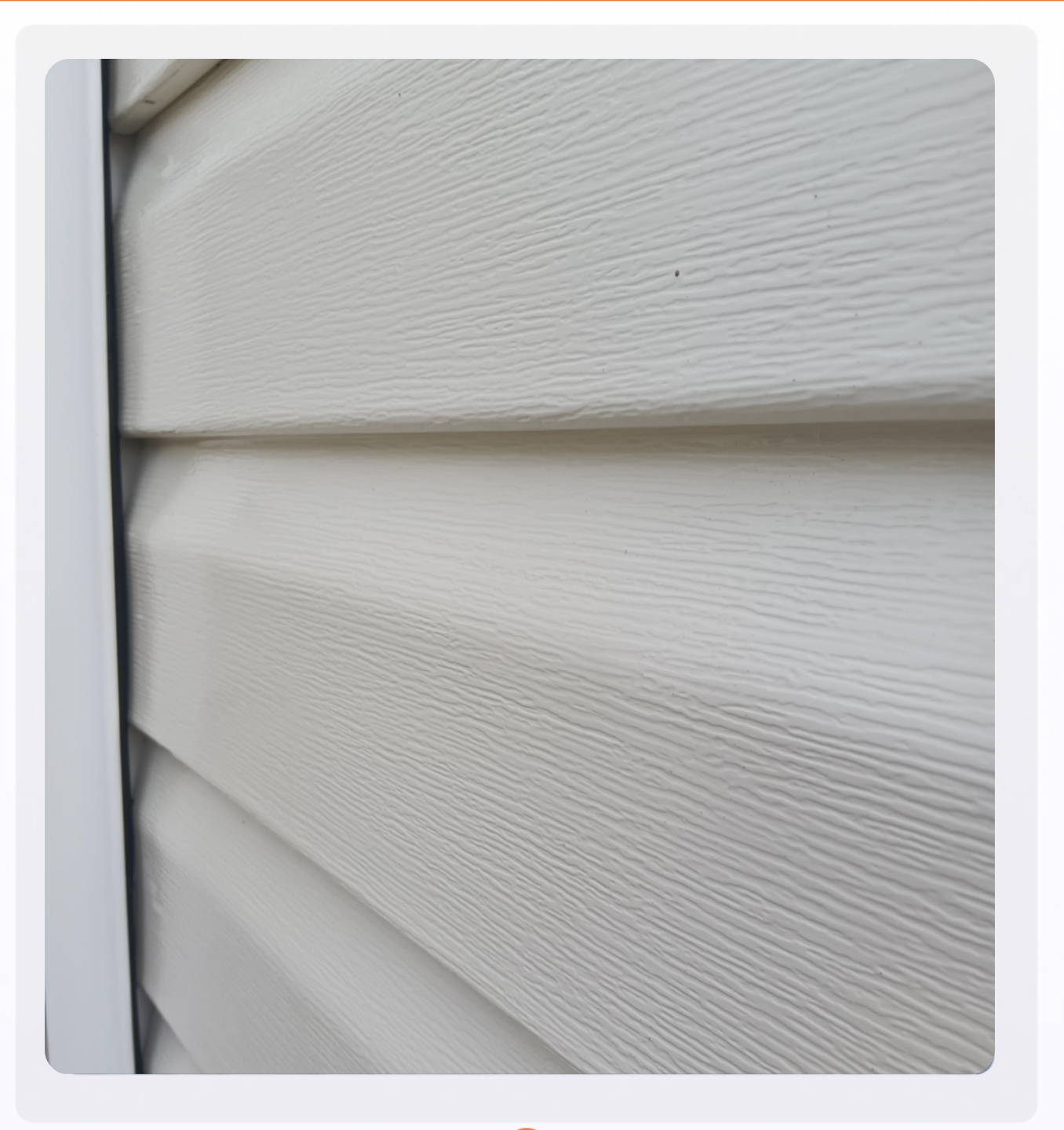
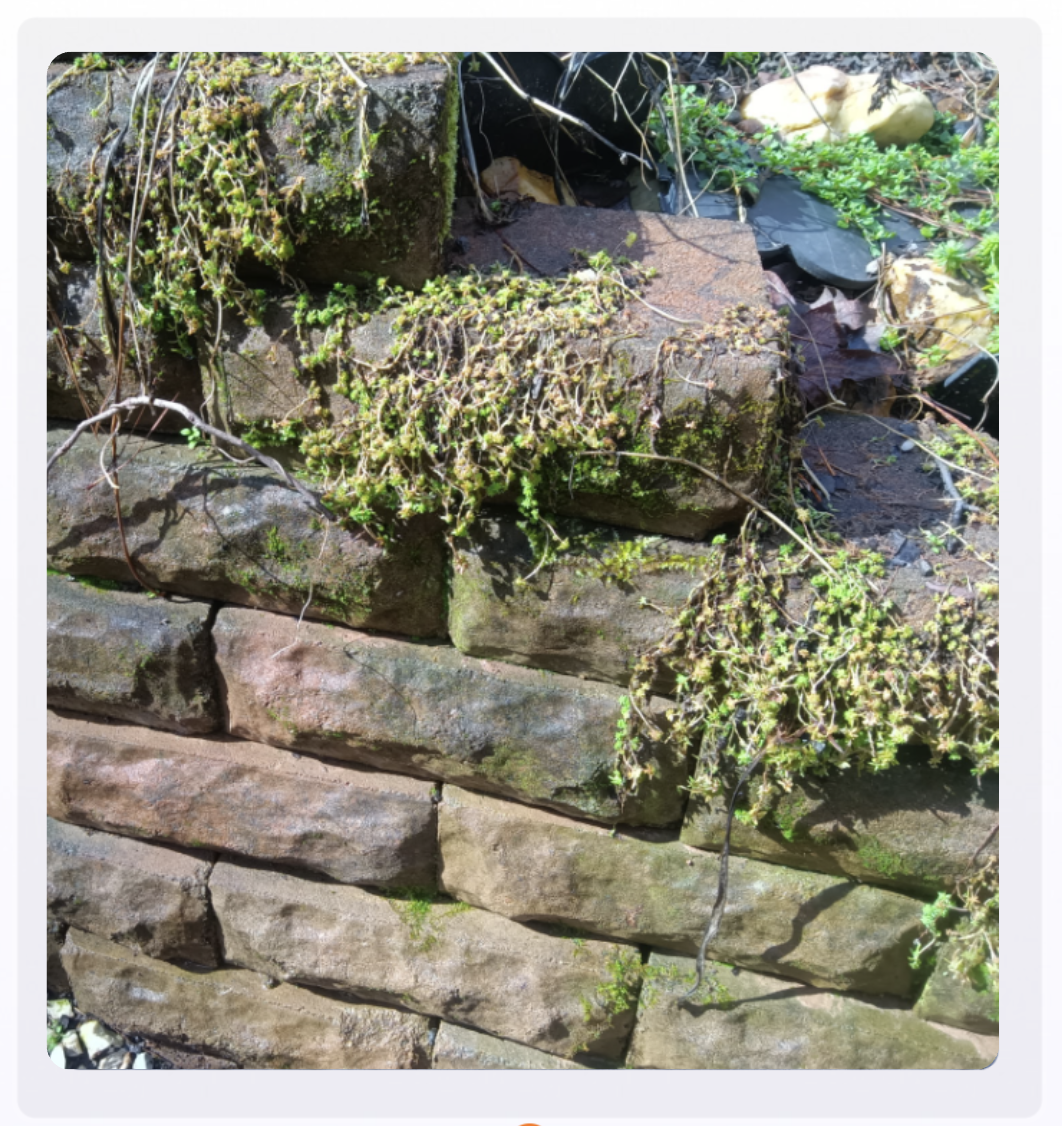
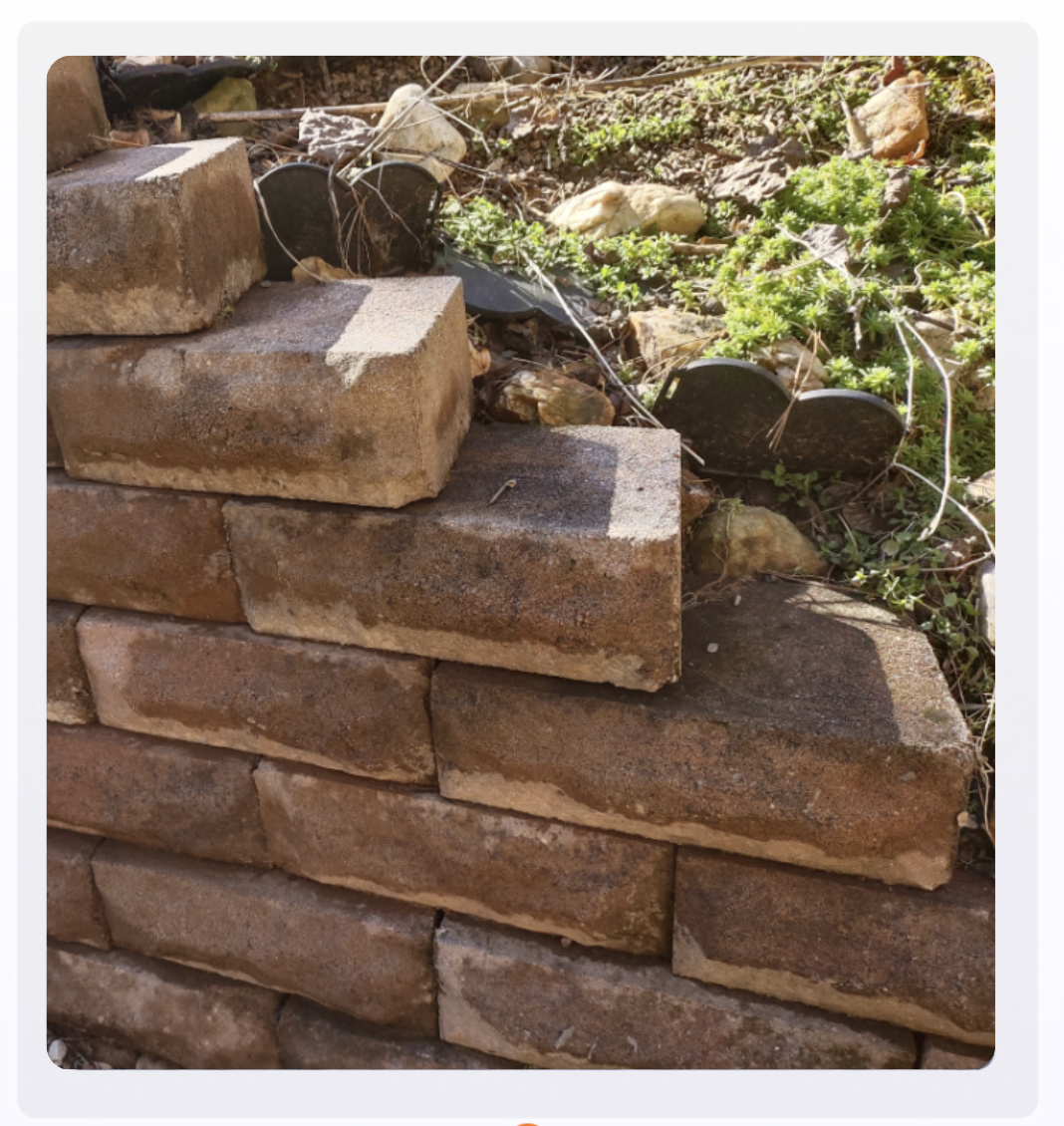
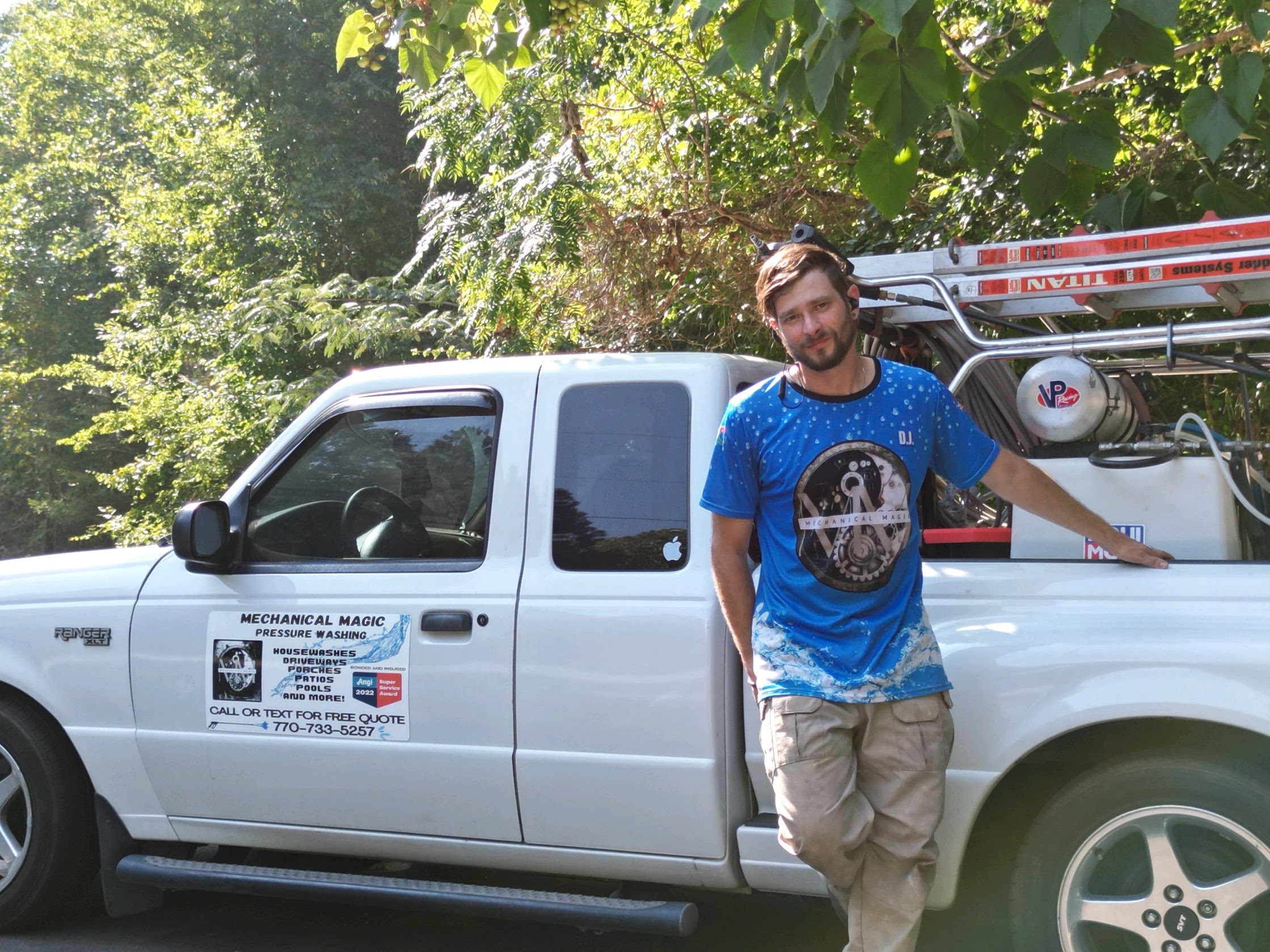
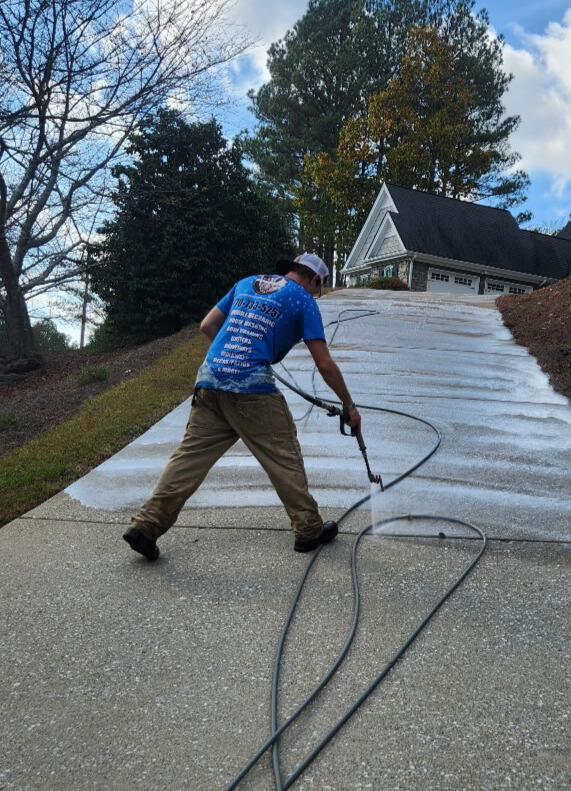
That mold isn't cosmetic — it's damage waiting to happen. Professional house washing and driveway cleaning in Canton, GA costs a few hundred dollars now and saves you from a $20,000 problem later. Bonded, insured, and 100+ five-star reviews. Cherokee County trusts DJ at Mechanical Magic.
That green stuff is eating your home's value. DJ makes it disappear — before it costs you thousands.
★★★★★Rated 5.0 from 100+ reviews Google Angi Insured
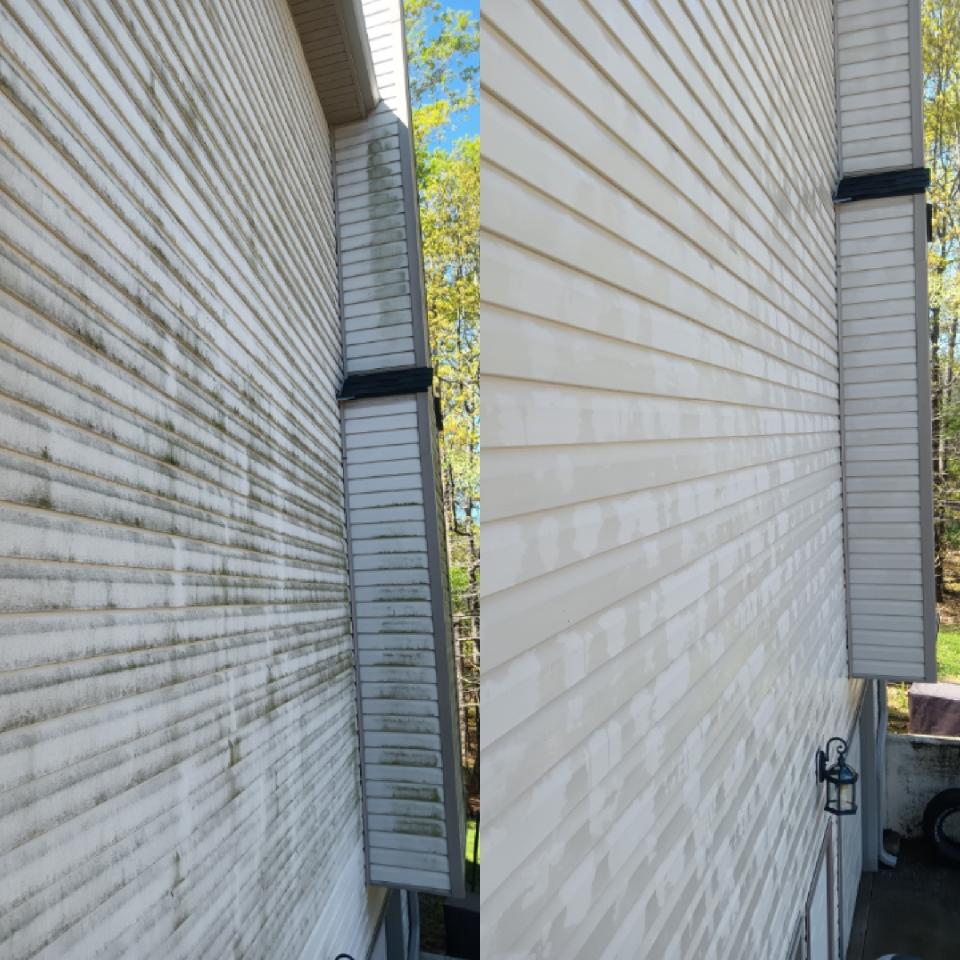
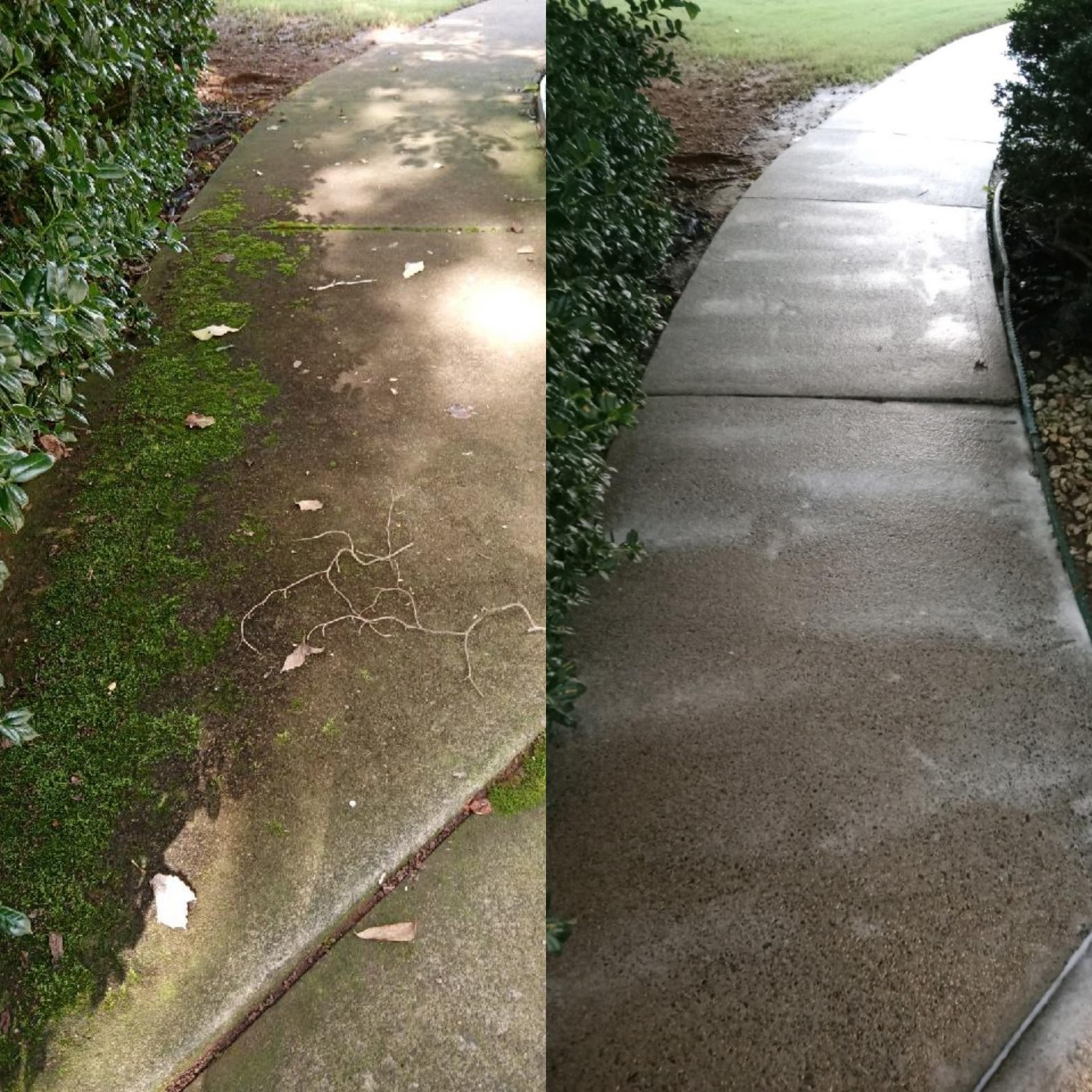
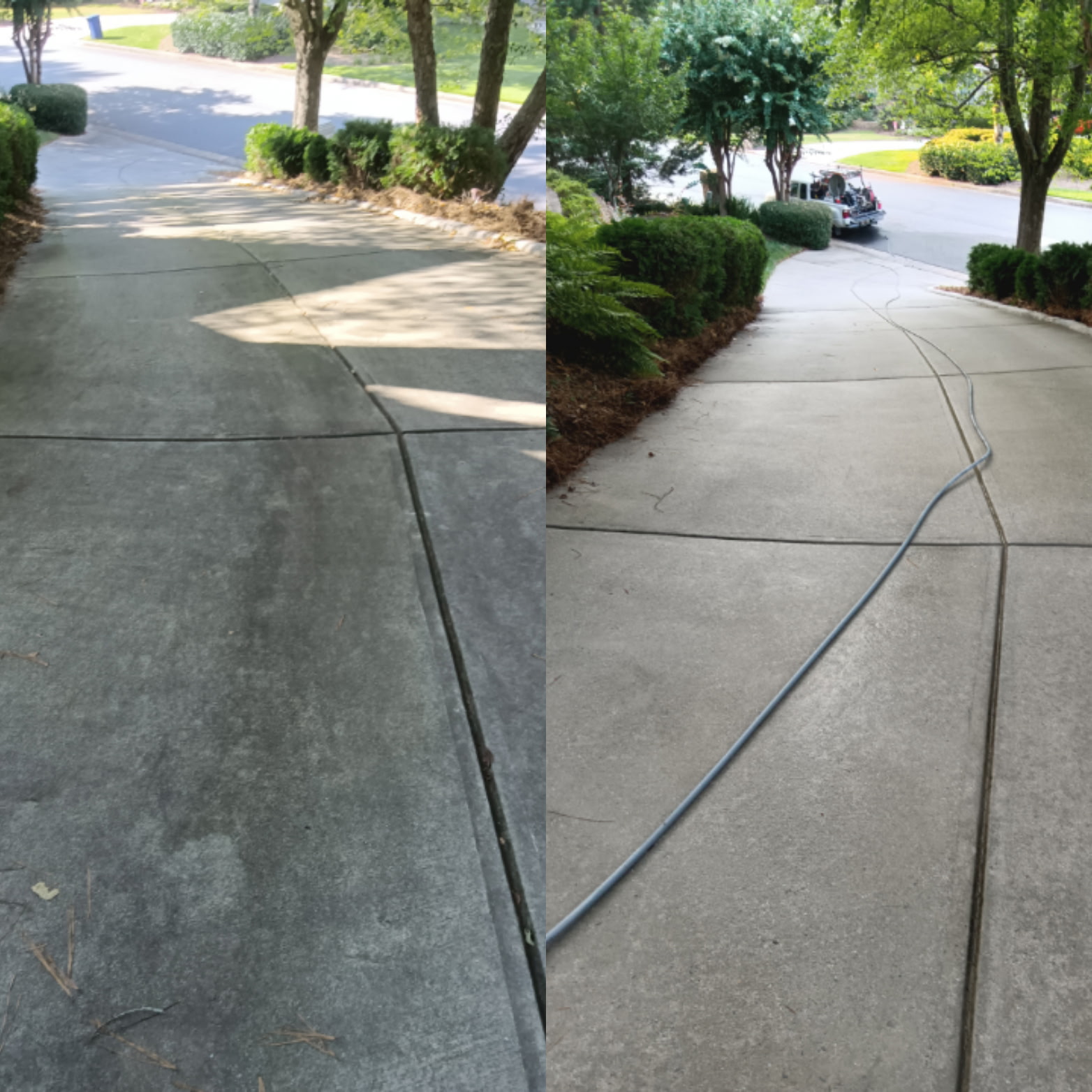
Drag the slider to see real pressure washing transformations from Cherokee County homes. No filters. No tricks. Just the magic.
BeforeAfter
House Wash — Canton, GA
"She hadn't seen the original color of her home in six years. Her neighbor asked if she'd gotten new siding."
BeforeAfter
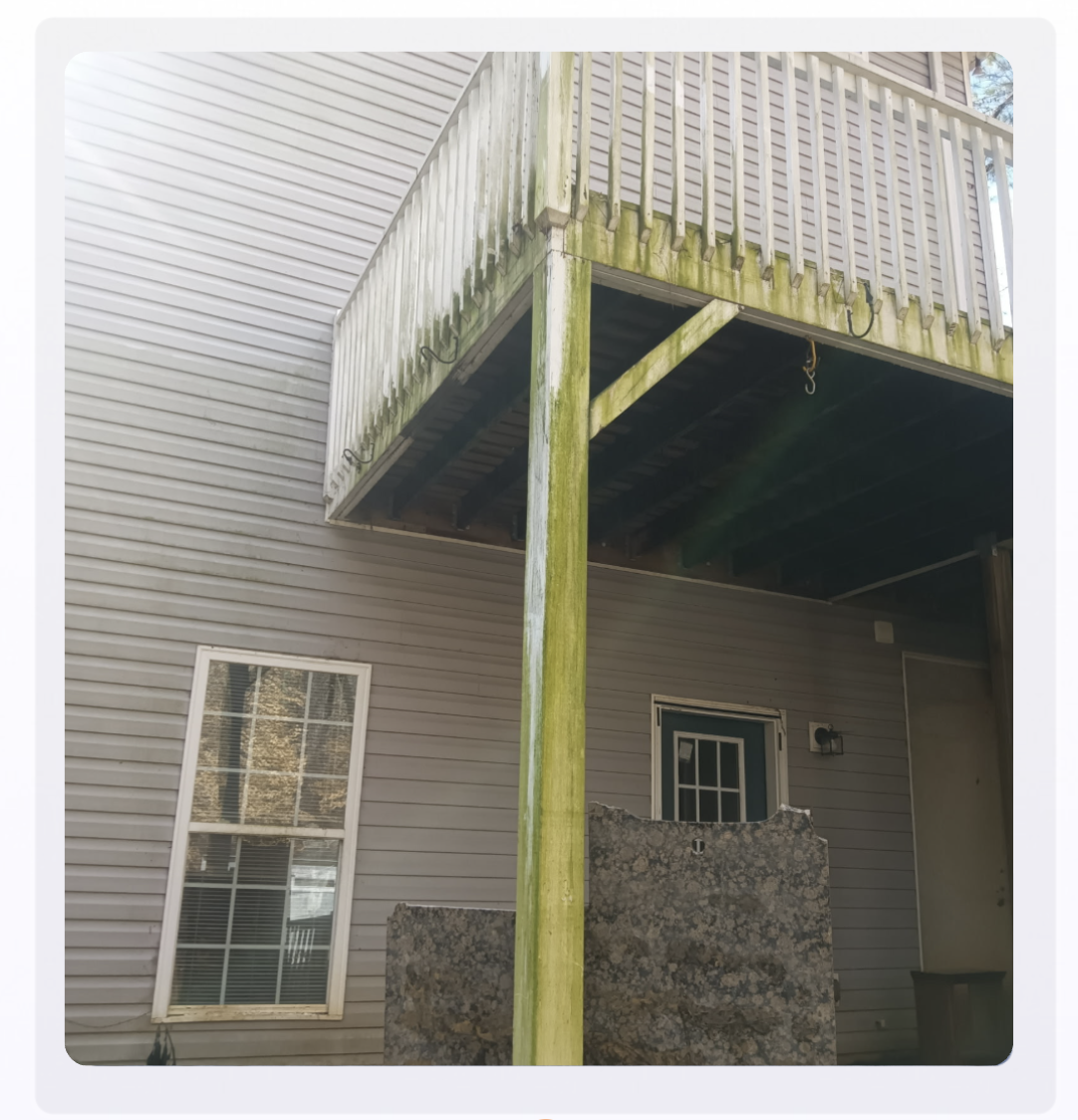
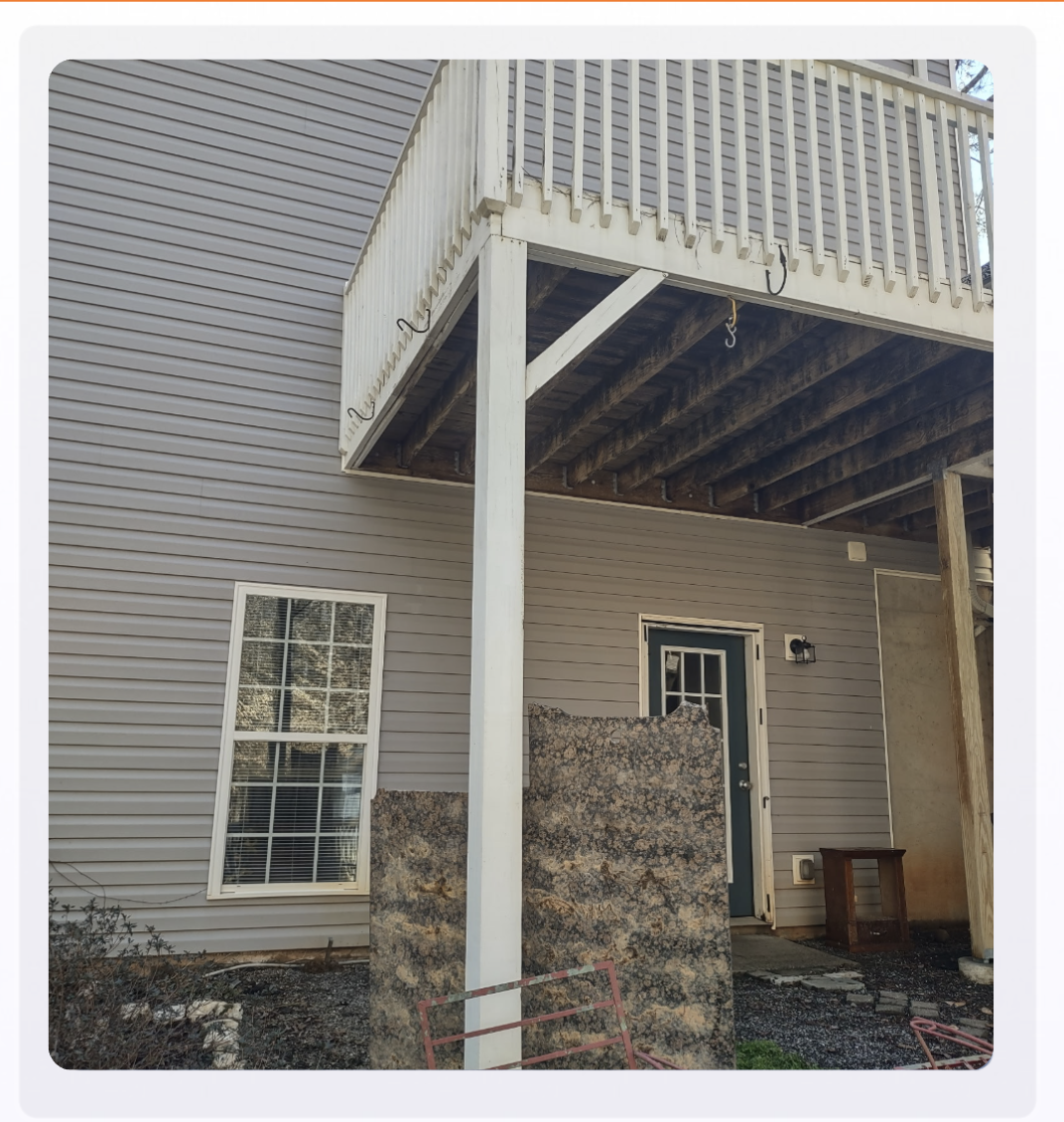
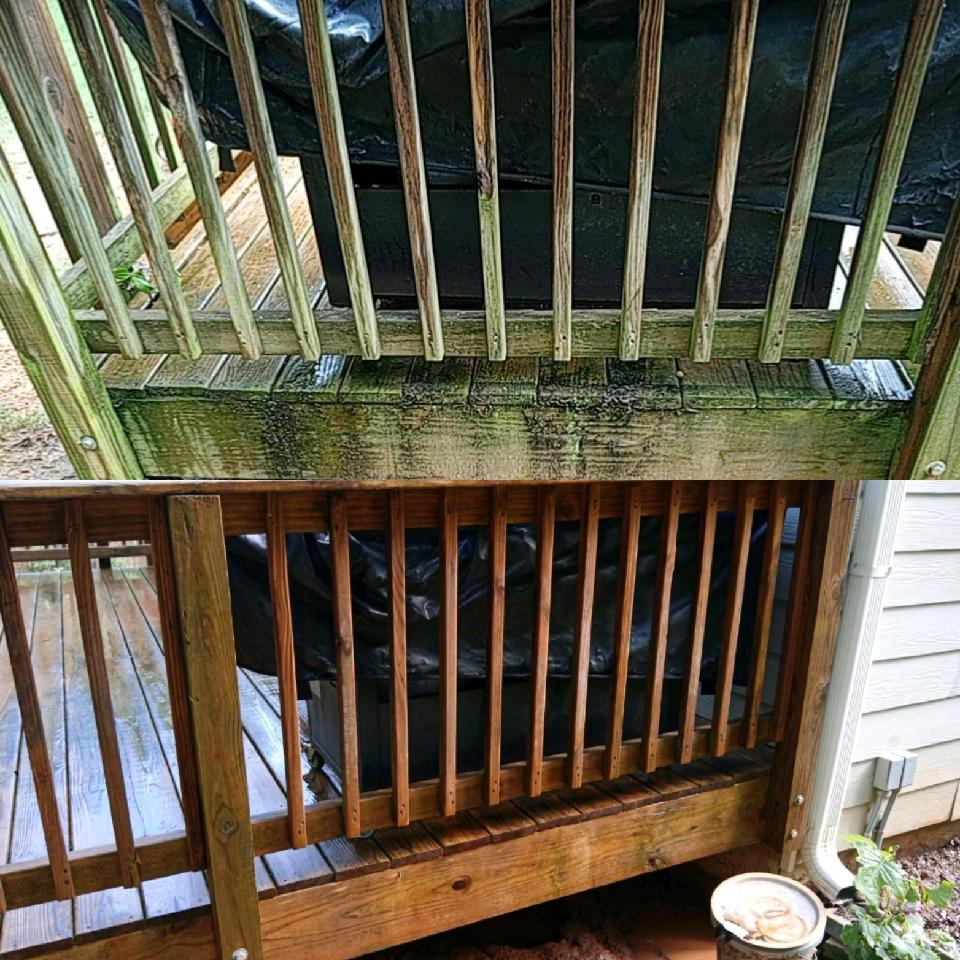
Deck Restoration — Woodstock, GA
"They were about to tear this deck out — $8,000 to replace it. DJ saved it in one afternoon for a fraction of the cost."
BeforeAfter
Brick Walkway — Ball Ground, GA
"She said it was 'too far gone.' Ninety minutes later, she was standing in her doorway smiling."
BeforeAfter
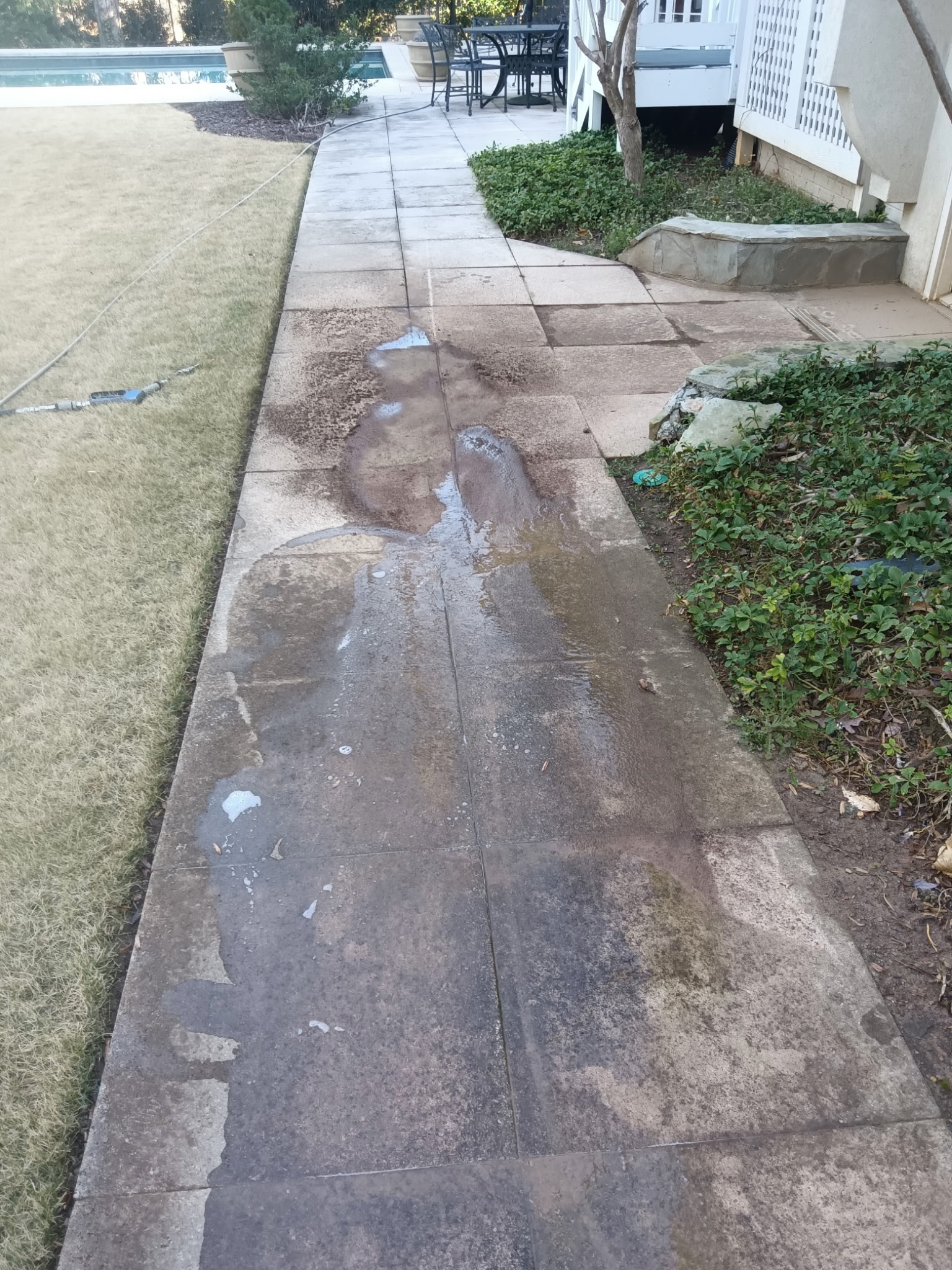
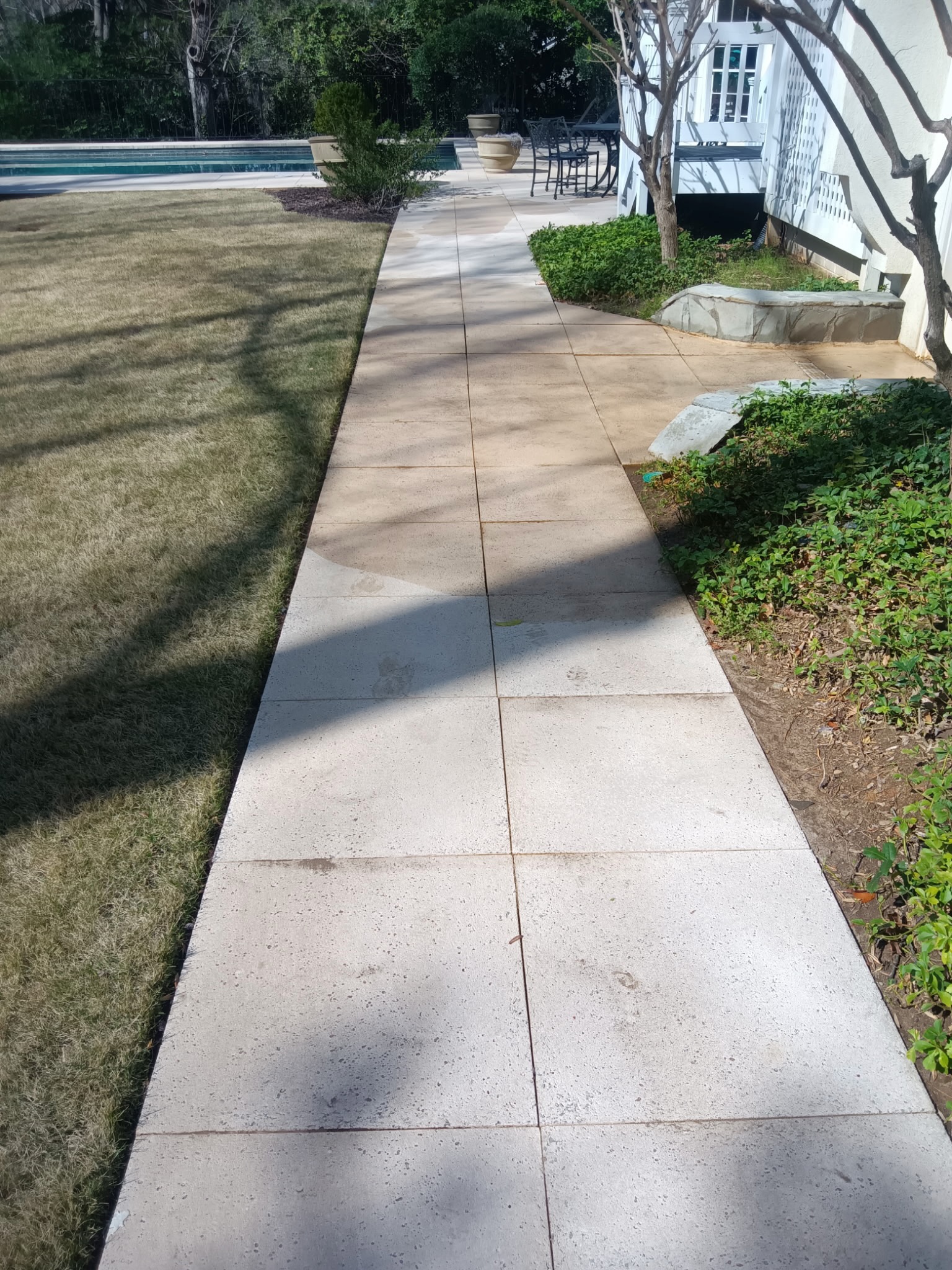
Walkway — Holly Springs, GA
"Her mom was coming to stay for the holidays. She wanted everything perfect. DJ made it look brand new in one afternoon."
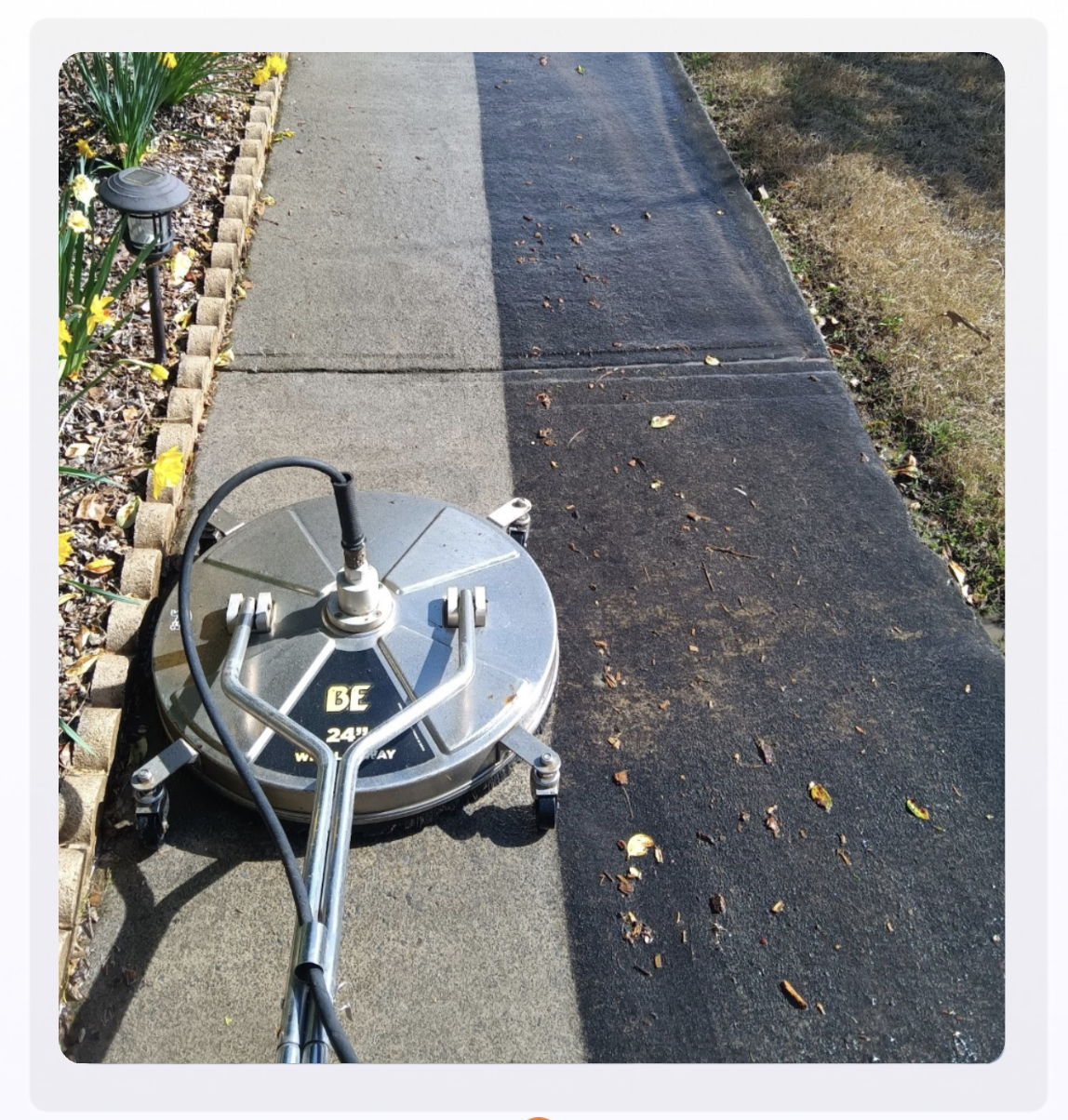
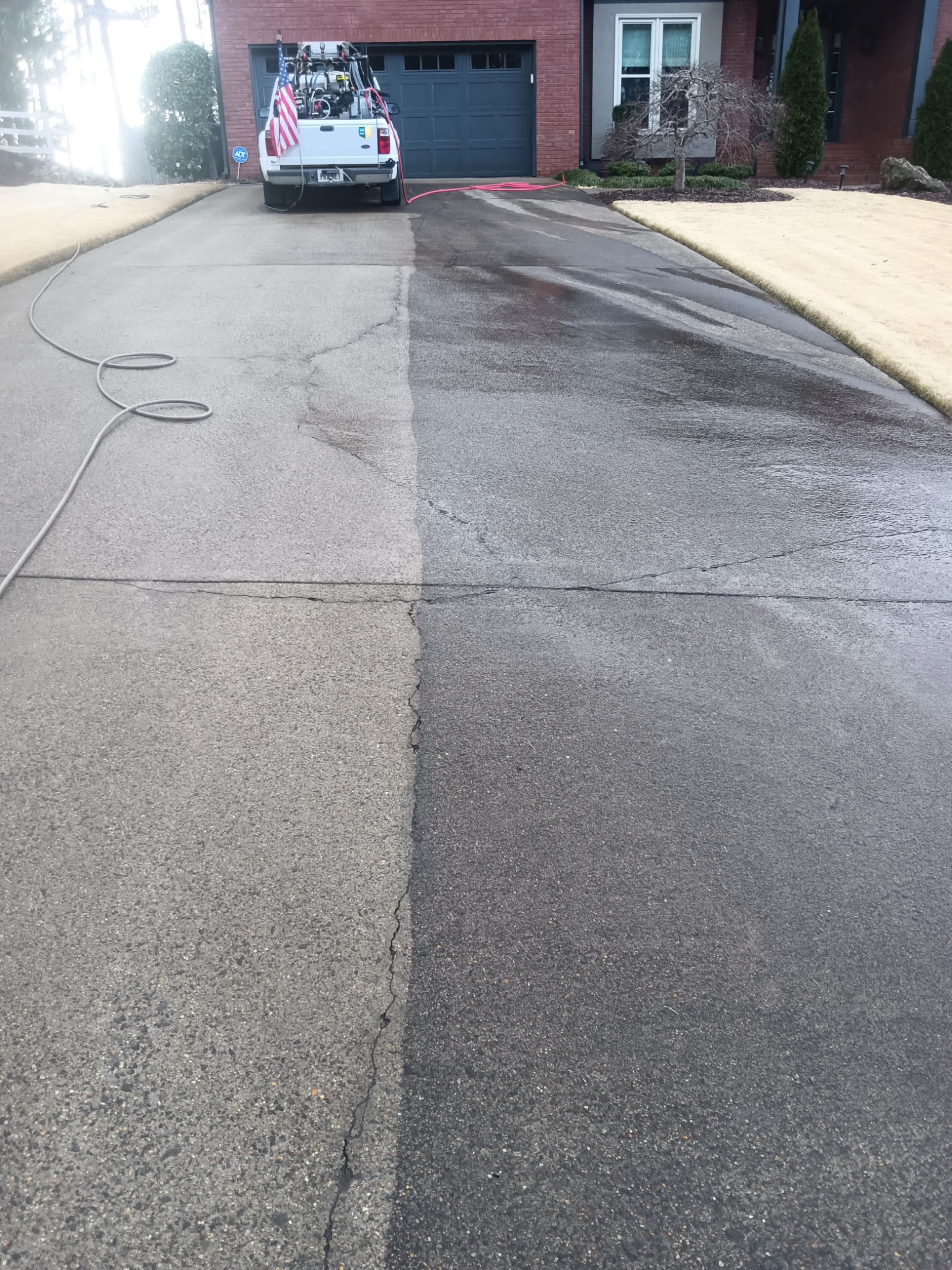
One Pass. That's All It Takes.
This is the moment every Canton homeowner says the same thing: "Why didn't I call sooner?"
Pressure Washing Before & After Gallery
More Transformations Across Cherokee County
Every one of these is a real Canton-area home, a real neighbor, and a real story.
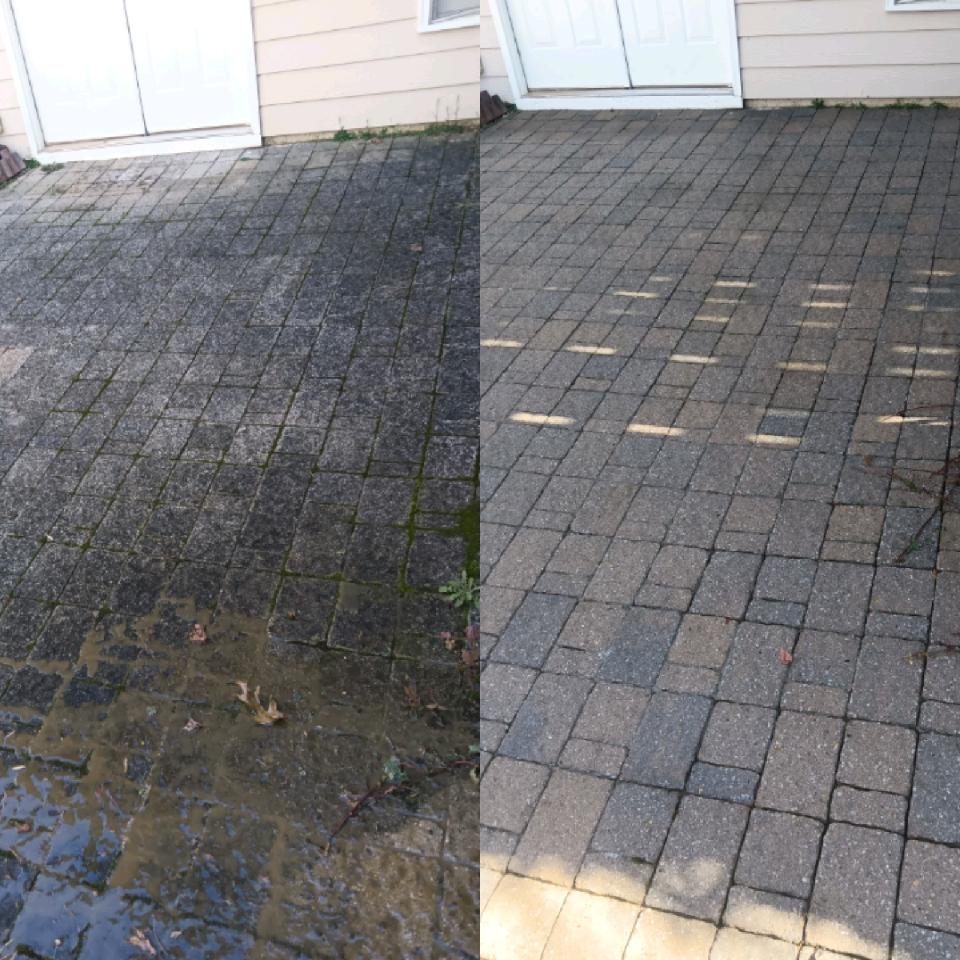
Brick Patio — Canton
"They hadn't hosted a cookout in three years because they were embarrassed by the patio. The weekend after DJ finished, they had the whole neighborhood over."
Driveway — Cherokee County
"He said he'd been embarrassed to have anyone pull into his driveway for years. Not anymore."
Deck — Woodstock
"Her kids slipped on this deck twice last summer — it was covered in algae. Now it's their favorite spot to play."
Siding — Canton
"Every neighbor on the street asked the same thing: 'Did you repaint?' Nope. Just DJ."
Walkway — Cumming
"She was about to list her home. This walkway went from a liability to the first thing the agent complimented."
Driveway — Canton
"Twenty years of Georgia red clay and tree runoff. He thought the concrete was permanently stained. DJ proved him wrong in one afternoon."
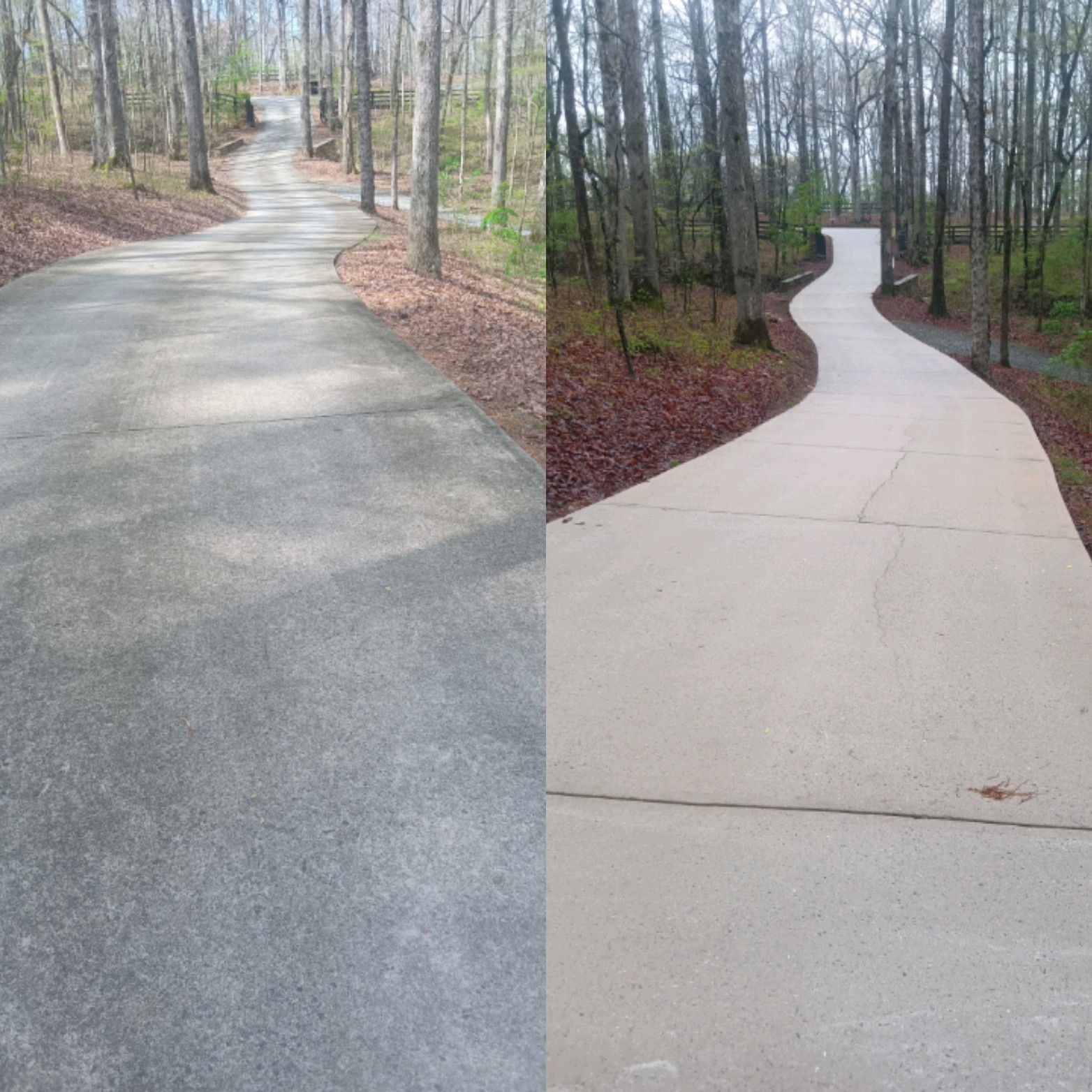
Driveway — Ball Ground
"A quarter-mile of concrete winding through the trees — friends thought they'd had it repoured. Just Mechanical Magic."
Every surface in Canton's humid climate has different needs. DJ knows what pressure to use — and what NOT to use. No bare minimums. Done right the first time.
We bring the color back to your home. Mold, mildew, and green algae removed safely from vinyl siding, brick, stucco, and all exterior surfaces using professional soft wash techniques trusted by Canton homeowners.
From black to beautiful. Your driveway, sidewalks, patios, and pool decks — restored to the day they were poured. Professional concrete pressure washing removes oil stains, tire marks, red clay, and years of Georgia weather.
Roof got mold? DJ can clean that too. Professional soft wash roof cleaning eliminates ugly black streaks and extends your roof's lifespan without high-pressure damage. Safe for asphalt shingles, tile, and metal roofing.
Clogged gutters cause real damage to your Canton home's foundation and landscaping. We clean them out completely and make the exterior gutter faces shine while we're at it — brightening tiger stripes and buildup.
Does your deck feel dirty or slippery? Let DJ take it from green to clean. Wood, composite, or vinyl — we handle it all with the right pressure and technique to restore without damaging the grain.
Storefronts, parking lots, buildings, and apartment complexes across Canton and North Atlanta. Where quality meets affordability — keep your business looking professional and your customers feeling welcome.
Why Canton, GA Homeowners Choose Mechanical Magic for Pressure Washing
Canton, Georgia's humid subtropical climate creates the perfect breeding ground for mold, mildew, and algae growth on homes and driveways. Between Cherokee County's tree coverage, seasonal pollen, and regular rainfall, most Canton homes develop visible green buildup within 12 months of their last cleaning. Left untreated, this growth doesn't just look bad — it actively breaks down siding, shingles, and concrete surfaces, leading to repairs that cost 10 to 50 times more than regular professional pressure washing.
Mechanical Magic LLC is the highest-reviewed pressure washing company in Canton, GA, with over 100 five-star reviews across Google, Angi, Yelp, and Nextdoor. Owner DJ provides honest, upfront pricing and uses industry-leading soft wash and pressure washing techniques tailored to North Georgia's unique conditions. Every job includes a 3-step plant protection process, full liability coverage, and a simple guarantee: you don't pay until you're satisfied.
Your #1 Concern, Handled
Your Plants Are Safe With Us
DJ treats your Canton home like it's his own. That includes your landscaping. Here's the 3-step plant protection process built into every single pressure washing job.
STEP 1
Pre-Soak
We thoroughly water all plants and landscaping before we start, creating a hydration barrier that prevents chemical absorption.
STEP 2
Smart Chemistry
For sensitive areas, we use vinegar-based solutions near your garden beds. No unnecessary chemicals near your landscaping — ever.
STEP 3
Neutralize & Rinse
After cleaning, we apply a bleach neutralizer and give everything a thorough fresh-water rinse. Nothing left behind.
Zero casualties. There have been zero plant casualties at Mechanical Magic. We like to go the extra mile — and then some.
3-Step Plant Protection
Every job includes a pre-soak to shield your plants, vinegar-based solutions near sensitive areas, and a bleach neutralizer with a full fresh-water rinse after cleaning.
Zero plant casualties to date
You Can Pay a Little Now, or a Whole Lot Later
Pressure Washing Is Prevention — Not Just Cleaning
Professional Cleaning
$300
Preventative maintenance that protects, restores, and saves you thousands in Canton's humid climate.
VS
Letting It Sit
$20K+
Roof replacement, new driveway, siding repairs — the cost of neglect adds up fast in Georgia's weather.
That green stuff on your Canton home? It's not cosmetic — it's damage waiting to happen. That mold will eat your siding if you let it sit. DJ is saving you from a $20,000 problem.
Simple. Honest. Professional.
How to Get a Free Quote
From first text to finished job — DJ keeps it simple. Most Canton homeowners go from quote to clean in under a week.
1
Text or Call DJ
Shoot a text to (770) 733-5257 with your address and what you need cleaned. DJ replies fast — usually within minutes.
2
Get Your Honest Price
No hidden fees, no pressure, no surprises. DJ will bundle your services and make it make sense for your budget.
3
Watch the Magic
Sit back while your property gets turned from a green mess into the best-looking house on the block. You don't pay until you're satisfied.
Meet DJ — Canton's Pressure Washing Expert
Built on Driveways, Not in Boardrooms
I grew up in my dad's garage — he's a master mechanic — so I learned early what it means to take pride in your work and do things the right way. I've been pressure washing for over 20 years, starting as a kid cleaning dirt bikes after races. What began as a chore turned into a genuine passion. That transformation — watching something go from dirty to like-new — is what hooked me.
My mom pushed me to make it official — file the LLC, build something real. So I did. Started small, worked hard, and built Mechanical Magic from the ground up right here in Canton. But my biggest motivation is my son, Elijah. He's a miracle in two shoes — an amazing, funny, strong kid who inspires me to work well under pressure in every situation. He's my reason to keep fighting the good fight.
What makes me different from other pressure washing companies in Canton? I actually listen. I give you the space to explain what you need, and then I solve the problem the right way. I don't cut corners, I don't rush, and I don't get paid until the job is done and you're satisfied. I'm fully bonded and insured with consistent 5-star results — because a lot of people are used to the bare minimum, and I go beyond that.
I've lived in this area my whole life. I treat every home like it's my own. And at the end of the day — they don't call it Mechanical Magic for nothing.
Same-day quotes Honest pricing Bonded & insured No shortcuts Family motivated
Canton's Most-Reviewed Pressure Washer
100+ Five-Star Reviews
Real reviews from real homeowners across Canton and Cherokee County. No fluff — just what your neighbors are saying.
"DJ with Mechanical Magic did a fantastic job cleaning our gutters! Not only was the work thorough and professional, but DJ himself is an absolute gentleman — polite, respectful, and just an all-around cool guy."
G
G. S.
Canton, GA
Nextdoor
"We got so many compliments — ours is the best-looking house in the neighborhood now. The detail and care DJ puts into every job is unmatched. Highly recommend for any pressure washing services."
N
Verified Neighbor
Canton, GA
Nextdoor
"Prompt, professional, and very competitive pricing. DJ's attention to detail is outstanding. I plan to use Mechanical Magic for pressure washing my house, roof, and gutter cleaning going forward."
Answers to the questions Canton homeowners ask most. Can't find yours? Text DJ at (770) 733-5257.
Most residential pressure washing jobs in Canton range from $150 to $500 depending on the surface and size. A typical house wash starts around $300–$400, and driveway cleaning starts around $200–$300. DJ at Mechanical Magic offers free, honest quotes with no hidden fees — text (770) 733-5257 with your address and he'll get back to you fast. Bundle multiple services and save. Read our guide to affordable pressure washing in Canton →
Yes — when done correctly. Mechanical Magic uses soft washing techniques for delicate surfaces like vinyl siding, stucco, and painted wood. Soft washing uses low pressure combined with professional-grade cleaning solutions that kill mold and algae at the root without damaging your home. High-pressure washing is only used for hard surfaces like concrete that can handle it. DJ has 20+ years of experience and has never damaged a customer's property.
Not with Mechanical Magic. DJ uses a 3-step plant protection process on every job: (1) pre-soaking all plants to create a hydration barrier, (2) using vinegar-based solutions near sensitive areas, and (3) applying a bleach neutralizer with a thorough fresh-water rinse after cleaning. Zero plant casualties to date.
In North Georgia's humid climate, most homes should be professionally washed once per year. Properties surrounded by trees or in heavily shaded areas — which is common in Canton and Cherokee County — may benefit from washing every 8–10 months. Regular pressure washing prevents mold, mildew, and algae from causing permanent damage to siding, roofs, and concrete, saving thousands in potential repairs down the road.
Pressure washing uses high-pressure water to blast away dirt, grime, and stains from hard surfaces like concrete driveways, sidewalks, and patios. Soft washing uses low pressure combined with specialized cleaning solutions to safely clean delicate surfaces like vinyl siding, roofs, stucco, and painted surfaces. DJ at Mechanical Magic is trained in both methods and uses the right technique for every surface — never the wrong one.
Yes. Mechanical Magic LLC is fully bonded and insured with comprehensive liability coverage to protect your property. With over 100 five-star reviews across Google, Angi, Yelp, and Nextdoor, and four consecutive Angi Super Service Awards, Mechanical Magic is one of the most trusted and highest-reviewed pressure washing companies in Cherokee County, Georgia.
Mechanical Magic serves a 25-mile radius from Canton, Georgia, including Woodstock, Ball Ground, Holly Springs, Cumming, Alpharetta, Milton, Marietta, Roswell, Kennesaw, Jasper, and Atlanta. Not sure if you're in the service area? Text (770) 733-5257 and DJ will let you know right away.
Absolutely. According to real estate professionals, professional pressure washing can increase your home's perceived value by 5–10% and is one of the highest-ROI improvements you can make before listing. In Canton's competitive housing market, curb appeal matters — and a freshly washed home, driveway, and walkway make the critical first impression that gets buyers through the door.
Serving Cherokee County & North Atlanta
Pressure Washing Near Canton, Georgia
Mechanical Magic proudly serves a 25-mile radius from Canton, GA — and shows up on time, every time.